Buying guide
How to Transport a Yacht By Truck
Transporting a yacht by truck requires careful planning, specialized equipment, and professional logistics coordination to ensure safe delivery without damage. Most vessels under 35 feet—including tenders, center consoles, and small cabin cruisers—can be transported via flatbed or enclosed trailer, with costs typically ranging from $2,000 to $15,000 depending on distance and boat size. The process involves selecting an appropriate trailer type, securing proper permits for oversized loads, arranging marine surveying before transport, and hiring licensed yacht transporters with marine insurance coverage. Preparation includes removing loose equipment, draining fuel and water systems, securing the hull to the trailer with proper blocking and strapping, and verifying that the combined weight stays within state regulations for your route.
What Size Yachts Can Be Transported by Truck?
Truck transport is practical for vessels up to approximately 40 feet in length and under 15,000 pounds, though most professional transporters specialize in boats under 35 feet. The limiting factors are highway regulations—most states restrict vehicle width to 8.5 feet and total height to 13.5 feet without special permits, which means wider beam vessels or hardtop boats may require oversize permits that add cost and complexity.
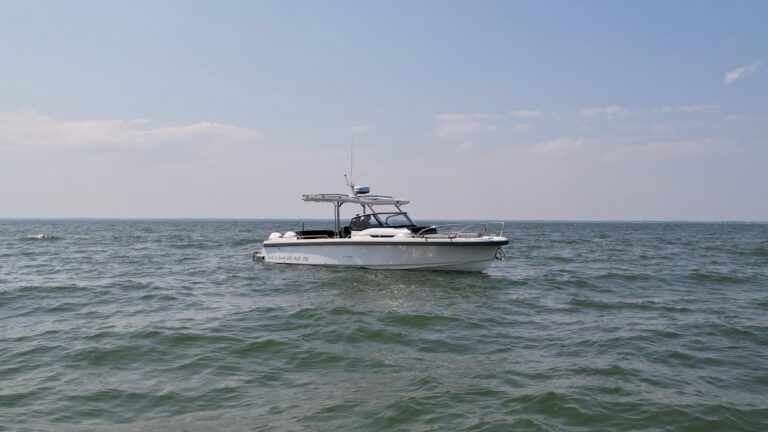
Tenders and small day boats are ideal candidates for truck transport. Models like the 2025 Nimbus Tender 9, which measures approximately 30 feet and weighs around 8,000 pounds, represent the sweet spot for efficient truck logistics. Larger center console fishing boats (30–35 feet) and modest cabin cruisers can also be transported, but weight becomes a significant variable. A 35-foot boat weighing 18,000 pounds may exceed standard trailer capacity and require specialized heavy-haul equipment.
Before committing to truck transport, verify your yacht's exact dimensions (length, beam, height with hardtop if applicable) and dry weight. This data is critical for trailer selection and permit applications. If your boat exceeds 40 feet or 15,000 pounds, you should explore marine transport alternatives such as barge or specialized heavy-haul carriers, which operate under different regulatory frameworks.
What Type of Trailer Do You Need?
Selecting the correct trailer is the foundation of safe yacht transport. The two primary options are open flatbed trailers and fully enclosed trailers, each suited to different scenarios and budgets.
Open Flatbed Trailers are the most economical choice, typically costing $1,500–$8,000 for a cross-country move. These trailers expose the boat to weather, road debris, and UV damage during transit, making them suitable for vessels with robust hulls or those being transported short distances (under 500 miles). Flatbed trailers require extensive blocking and strapping to prevent movement, and the boat remains visible to other drivers—a consideration for security on long routes.
Enclosed Trailers provide weather protection and security, costing $4,000–$15,000+ for long-distance transport. Fully enclosed rigs prevent UV exposure, protect against rain and salt spray, and shield the boat from theft or vandalism. For valuable vessels or long-distance moves, the premium is justified, especially if the yacht has a new gel coat, finished interior, or electronic systems vulnerable to moisture.
Specialty Trailers designed specifically for boat transport feature adjustable bunks and roller systems that distribute weight evenly across the hull, reducing the risk of stress cracks. These trailers typically cost more but are worth the investment for vessels with thin hulls or those over $100,000 in value.
Your transporter should advise on trailer selection based on your boat's construction, destination, and timeline. A professional marine logistics company will own or contract trailers appropriate to your yacht's specifications.
How Much Does Yacht Transport by Truck Cost?
Transport costs vary widely based on distance, boat size, trailer type, and regional fuel prices. A general framework helps buyers budget accurately.
Short-Distance Transport (under 250 miles): Expect $1,500–$4,000 for open flatbed transport of boats under 30 feet. Enclosed transport for the same distance runs $3,500–$7,000. These moves are often completed in one to two days, minimizing labor costs.
Medium-Distance Transport (250–1,000 miles): Open flatbed costs range from $3,000–$8,000; enclosed transport, $6,000–$12,000. A 30-foot tender like the 2025 Nimbus Tender 9 transported from the Gulf Coast to the Northeast typically falls in this range.
Long-Distance Transport (over 1,000 miles): Budget $8,000–$15,000+ for open transport and $12,000–$20,000+ for enclosed. Cross-country moves incur fuel surcharges, overnight lodging for drivers, and permit fees that accumulate with distance.
Additional Costs to Factor In:
- Permits and escorts: Oversized load permits cost $200–$1,500 per state, depending on the route. Some states require pilot cars or escort vehicles, adding $500–$2,000.
- Blocking and bracing: Professional cradle systems and securing materials cost $300–$800.
- Launch and haul-out: If transport requires removal from water, expect $500–$2,000 per location.
- Marine insurance: Transporter liability insurance typically covers damage, but verify coverage limits; additional transit insurance costs $200–$500 for high-value vessels.
Request itemized quotes from at least three transporters. Reputable companies provide detailed breakdowns showing fuel, labor, permits, and insurance rather than flat rates that may hide unexpected charges.
What Permits and Regulations Apply?
Yacht transport by truck is regulated at federal and state levels, with requirements varying significantly by route. Understanding these regulations prevents delays and legal complications.
Oversize Load Permits are mandatory when a boat exceeds standard dimensions: 8.5 feet wide, 13.5 feet tall, or 70 feet long (though boat lengths rarely exceed this). Most boats under 30 feet fit within height and width limits, but hardtops, T-tops, or antennas may exceed height restrictions, triggering permit requirements. Permits are issued by state transportation departments and typically cost $100–$500 per state.
Multi-State Routes require permits from each state the trailer traverses. A Florida-to-New England transport may cross eight states, each with different regulations and fees. Professional transporters manage this paperwork, but expect delays if routes change or states impose additional requirements.
Pilot Car Escorts are required in many states when loads exceed width or height limits. Escorts cost $500–$2,000 depending on distance and state regulations. Some states require escorts during daylight hours only; others mandate 24-hour coverage.
Weight Restrictions vary by state and season. Some states impose weight limits on certain highways or during spring months when roads are soft. Axle weight limits (typically 20,000 pounds per axle) must be verified before transport begins. Your transporter should confirm that your boat and trailer combination complies with all weight regulations on your planned route.
Insurance Documentation must accompany the transport. Verify that the transporter carries marine cargo liability insurance with minimum coverage of $100,000 for boats valued under $500,000. Request a certificate of insurance before the boat is loaded.
Professional yacht transporters are familiar with these requirements and factor them into quotes. Attempting transport without proper permits exposes you to fines, delays, and potential liability if the boat is damaged or causes an accident.
What Should I Look For in a Marine Surveyor Before Transport?
A pre-transport marine survey documents the boat's condition, establishing a baseline for damage claims if the yacht is harmed during transit. This survey is essential insurance—literally and practically.
Timing: Schedule the survey 5–7 days before transport to allow time for documentation and any necessary repairs. The surveyor should inspect the boat at the location where it will be loaded, as movement to a haul-out facility may cause damage that complicates liability assessment.
Scope of Survey: A pre-transport survey differs from a full condition survey. The surveyor should photograph and document:
- The hull exterior for cracks, gelcoat damage, or soft spots
- All windows, hatches, and seals
- The interior for water intrusion or loose items
- The engine compartment and mechanical systems
- The condition of any hardtop, antenna, or protruding equipment
- Tire condition and trailer frame integrity
Documentation: Request a detailed written report with high-resolution photographs. This report becomes your proof of condition if a damage dispute arises post-transport. Include close-ups of any existing damage or wear, noting that pre-existing conditions are not the transporter's responsibility.
Surveyor Selection: Choose a surveyor certified by the American Society of Marine Surveyors (AMSM) or equivalent. Avoid using the transporter's "preferred" surveyor if possible; an independent third-party surveyor provides unbiased documentation. Expect to pay $300–$600 for a pre-transport survey.
A post-transport survey (conducted at the destination) mirrors the pre-transport inspection, documenting any new damage. Together, these surveys create a clear liability record.
How Do You Prepare a Yacht for Truck Transport?
Proper preparation prevents damage, reduces transport time, and ensures compliance with safety regulations. This process typically takes 3–5 days.
Fuel and Fluid Systems:
- Drain the fuel tank completely or leave it less than one-quarter full (never transport with a full tank due to weight and safety regulations).
- Drain the freshwater system to prevent sloshing and weight imbalance.
- Drain the holding tank or ensure it is empty.
- Change the engine oil if transport will extend storage; fresh oil prevents corrosion during idle periods.
Securing Loose Equipment:
- Remove or secure all movable items inside the cabin: cushions, galley equipment, electronics, artwork, and tools.
- Secure cabinet doors and drawers with marine tape or temporary fasteners.
- Remove or secure antennas, radar domes, and outriggers that may catch wind or strike overhead obstacles.
- Disconnect and stow shore power cords and docking lines.
Blocking and Bracing:
- Work with the transporter to position the boat on the trailer using proper blocking (wooden cradles or foam blocks) that distributes weight evenly across the hull.
- The boat should rest on the trailer at its natural load-bearing points (typically near the keel and chines), not on the gunwales or cabin structure.
- Strapping should be tight but not so restrictive that it stresses the hull; professional transporters use four to six straps minimum, positioned to prevent rocking.
Documentation and Access:
- Provide the transporter with keys to the boat, engine compartment, and any locked cabins.
- Leave a contact number and email for communication during transport.
- Provide the destination address and any access instructions (gates, security codes, launch facility contacts).
Final Walkthrough:
- Conduct a final inspection with the transporter before the boat is secured. Photograph the loading process for your records.
- Confirm that the transporter has your pre-survey report and understands any pre-existing damage.
What Are the Risks of Truck Transport?
Understanding potential risks allows you to mitigate them through proper preparation, insurance, and transporter selection.
Structural Stress: Boats are designed to be supported by water, which distributes weight evenly across the entire hull. On a trailer, the boat rests on a limited number of contact points, creating stress concentrations that can cause cracking or deformation over long distances. High-quality blocking and proper weight distribution minimize this risk, but older boats or those with thin hulls are more vulnerable.
Road Hazards: Potholes, bridge strikes, and debris can damage the boat during transit. Enclosed trailers reduce exposure to debris; pilot cars help identify low clearances before impact occurs.
Weather Exposure: Open trailers expose boats to rain, UV, and temperature fluctuations. Salt spray from coastal roads can damage electronics and corrode metal fittings. Enclosed transport eliminates this risk but at higher cost.
Theft and Vandalism: Boats are attractive targets for theft, especially high-value electronics or engines. Enclosed trailers and professional security reduce this risk. Avoid leaving the boat unattended at truck stops or rest areas.
Driver Experience: Inexperienced drivers unfamiliar with boat transport may cause damage during loading, transit, or unloading. Hire transporters with verifiable marine transport experience and references from previous yacht clients.
Insurance Gaps: Standard auto liability insurance does not cover marine cargo. Verify that the transporter carries dedicated marine cargo liability insurance and that your homeowner's or boat insurance covers transport-related damage.
Mitigate these risks by selecting an established, insured transporter with positive references, conducting thorough pre- and post-transport surveys, and maintaining detailed documentation throughout the process.
How Does Fly Yachts Help With Yacht Transport?
At Fly Yachts, we facilitate yacht transport logistics as part of our comprehensive brokerage services. When you purchase a boat through us—whether a tender like the 2025 Nimbus Tender 9 or a larger cruising vessel—we connect you with vetted marine transport companies, coordinate surveys, and manage the documentation process.
Our role includes:
Transporter Coordination: We maintain relationships with established, insured yacht transport companies and provide referrals tailored to your boat's specifications and destination. We verify insurance coverage and request references before recommending any transporter.
Survey Arrangement: We coordinate pre- and post-transport marine surveys with certified surveyors, ensuring documentation is thorough and independent.
Documentation Support: Our team manages permits, insurance certificates, and communication between you, the transporter, and the destination facility, reducing coordination burden on you.
Damage Assessment: If transport-related damage occurs, we assist in documenting the damage, filing claims, and coordinating repairs through our network of marine service providers.
Financing and Insurance: We can discuss transport costs as part of your overall purchase budget and connect you with marine insurance providers who understand transport-related coverage.
Whether you're purchasing a new tender for delivery across the country or relocating an existing boat, our broker team ensures the transport process is professional, documented, and minimizes risk. Contact us to discuss your specific transport needs and receive a referral to a qualified transporter.
About this guide
General buying information from Fly Yachts, a yacht brokerage in Fort Lauderdale. Prices, costs and specifications are typical ranges, not quotes. Check any boat you are serious about with a survey and your own advisers.
All buying guides