Buying guide
How Much Do Yacht Brokers Charge
Yacht brokers typically charge between 5% and 10% commission on the sale price of a vessel, with the exact percentage depending on the yacht's value, market conditions, and negotiation between buyer and seller. On smaller boats under $500,000, commissions often run 10%, while larger superyachts above $10 million may see rates drop to 5% or lower due to the substantial dollar amount involved. Commission is usually split between the listing broker (who represents the seller) and the selling broker (who represents the buyer), with each receiving roughly half. Some brokers charge flat fees or hourly rates for specific services like surveys or market analysis, though commission-based pricing remains the industry standard. Understanding these fee structures is essential before engaging a broker, as commissions can represent significant costs in a yacht transaction—potentially $50,000 to $1 million or more depending on the vessel's price.
How Do Yacht Broker Commissions Work?
Yacht broker commissions operate on a shared model where both the listing broker and the selling broker split the total commission, typically 50/50. This dual-broker structure incentivizes both parties to facilitate a successful sale. The listing broker represents the seller's interests and manages the vessel listing, marketing, and showings. The selling broker represents the buyer, conducts market research, identifies suitable vessels, and negotiates on the buyer's behalf.
The total commission percentage is negotiable and depends on several factors. On a $1.7 million vessel like the 2018 Sirena 64 listed in North Miami Beach, a 10% commission would total $170,000—split $85,000 to each broker. For larger transactions, such as the 2022 Ocean Alexander 32L priced at $10.75 million, even a 5% commission ($537,500) makes the percentage negotiable because the absolute dollar amount is substantial.
The commission is typically paid by the seller at closing, deducted from the sale proceeds. However, in some transactions—particularly in competitive markets or when a buyer is highly motivated—the buyer may contribute to or pay the full commission. This arrangement is always negotiated upfront and documented in the purchase agreement.
What Percentage Should You Expect to Pay?
Commission percentages follow a tiered structure based on vessel value. Standard rates are:
- Under $500,000: 10% commission (most common for smaller recreational boats)
- $500,000 to $5 million: 7.5% to 10% (negotiable based on market and vessel condition)
- $5 million to $25 million: 5% to 7.5% (larger transactions allow more negotiation)
- Over $25 million: 3% to 5% (superyachts command lower percentages due to absolute dollar amounts)
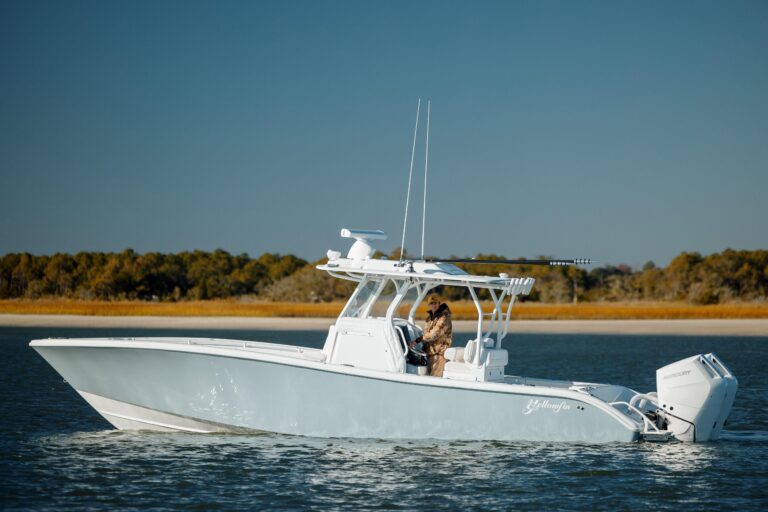
For a 2025 Yellowfin 32 Offshore at $555,644, you would typically expect a 10% commission ($55,564), though this could be negotiated down to 8% or 9% in a buyer's market or if the broker is motivated to close the deal quickly.
Commission percentages are not fixed by law or industry regulation—they are entirely negotiable. A buyer or seller should never accept the first rate quoted. Market conditions, the vessel's desirability, the broker's workload, and the complexity of the transaction all influence what a broker will accept. Brokers representing highly desirable vessels in strong markets may hold firm on higher percentages, while those handling slower-moving inventory may accept lower rates to generate sales activity.
Are There Alternatives to Commission-Based Pricing?
While commission-based pricing dominates the yacht brokerage industry, alternatives do exist, though they are less common. Some brokers offer flat-fee arrangements for specific services—for example, a fixed fee of $5,000 to $15,000 to list a vessel for a defined period, or a flat fee to represent a buyer in the search and negotiation process. These arrangements work best for straightforward transactions or when a client prefers predictable costs over percentage-based fees.
Hourly billing is another option, typically ranging from $150 to $400 per hour depending on the broker's experience and market. This model is often used for consulting services, such as vessel appraisals, market analysis, or due diligence support, rather than as the primary commission structure for a sale.
Some brokers also offer hybrid models: a reduced commission percentage plus a flat fee, or a flat fee for listing with a smaller commission if the broker's own team brings the buyer. These arrangements can benefit sellers who want to cap their costs or buyers seeking fixed-price representation.
However, the vast majority of yacht sales—from modest recreational boats to multimillion-dollar superyachts—still operate on the traditional percentage-based commission split between listing and selling brokers. This structure aligns incentives: brokers earn more when they facilitate higher-priced sales or close deals faster, motivating them to market effectively and negotiate in good faith.
What Additional Costs Might You Encounter Beyond Commission?
Beyond the broker commission, several ancillary costs may apply during a yacht purchase or sale. These are separate from the brokerage fee and are typically the responsibility of specific parties, though this can be negotiated.
Survey and Inspection Costs: A professional marine survey—essential for any serious purchase—typically costs $2,000 to $10,000 depending on the yacht's size and age. Buyers usually pay for the survey, as it protects their interests. The survey may reveal issues requiring further specialist inspections (engine, electrical, structural), each adding $500 to $2,000.
Title and Documentation: Yacht registration, title transfer, and documentation fees vary by jurisdiction but generally range from $500 to $3,000. These are typically the seller's responsibility, though negotiable.
Haul-Out and Inspection: If a pre-purchase haul-out (removing the boat from water for inspection) is required, costs run $1,500 to $5,000 depending on the vessel's size and the yard's location.
Insurance and Delivery: Buyers are responsible for arranging insurance and delivery (if relocating the yacht). Delivery costs depend on distance and can range from a few thousand dollars for regional moves to $50,000+ for long-distance transits.
Closing Costs: Legal fees, title insurance, and escrow services typically total $1,000 to $5,000 for a straightforward transaction.
Taxes and Registration: Depending on your state and the yacht's purchase price, sales tax, use tax, or registration fees may apply. Some states impose sales tax on yacht purchases; others do not. This can represent a significant cost—potentially 5% to 10% of the purchase price in high-tax jurisdictions.
Brokers do not typically charge for these services; they are separate professional costs. However, brokers can refer you to reputable service providers (surveyors, attorneys, insurance agents) who handle these functions. Always clarify upfront which party is responsible for each cost.
How Do Broker Commissions Compare Across Yacht Markets?
Commission structures vary slightly depending on whether you are buying a used vessel, a new build, or a charter yacht.
Used Yacht Sales: The standard 5% to 10% commission applies to resale transactions. These are the most common brokerage transactions and follow the tiered structure described above.
New Build Sales: Brokers representing buyers in new construction deals may charge a flat fee or a percentage of the build price, though new build commissions are sometimes lower (3% to 7%) because the builder's sales team handles much of the transaction work. Some brokers work on commission splits with the builder rather than directly with the buyer.
Charter Yacht Sales: Yachts actively earning income through charter operations may command slightly different commission rates, as their income-producing status can complicate valuation and buyer motivation.
International Sales: Selling or buying a yacht internationally may involve additional broker coordination, currency considerations, and regulatory complexity. Some brokers charge higher commissions (up to 12%) for international transactions to account for this added work.
Broker Networks: Large brokerage firms may negotiate different rates with affiliated brokers in other regions. A vessel listed with a major global broker might involve multiple brokers across different countries, each taking a portion of the commission. This can result in total commissions exceeding 10% when split among three or more parties.
What Should I Look For When Hiring a Yacht Broker?
Beyond commission rates, several factors should guide your choice of broker:
Market Knowledge and Specialization: Brokers with deep expertise in your vessel type (sailboats, motor yachts, sport fishing boats) and size range will market more effectively and understand realistic pricing. A broker specializing in luxury superyachts may not be ideal for a $500,000 center console.
Inventory and Network: Brokers with access to a wide inventory and connections across regional and national networks can identify more opportunities and reach more qualified buyers. Large brokerages with multiple offices often have broader networks than solo agents.
Marketing Capability: Evaluate how the broker markets listings—professional photography, video tours, online presence, and advertising reach matter significantly. A broker with strong digital marketing and a presence on major yacht listing platforms (YachtWorld, Boat Trader, Superyachts.com) will expose your vessel to more buyers.
Track Record: Ask for references and verify the broker's sales history. How many similar vessels have they sold in the past year? What was the average time on market? Did they achieve asking price or negotiate significant discounts?
Communication and Responsiveness: Yacht transactions move quickly. A broker who responds promptly to inquiries, provides regular updates, and maintains clear communication throughout the process is invaluable.
Fiduciary Responsibility: Understand whether the broker represents you exclusively or also works with competing clients. Exclusive representation ensures the broker prioritizes your interests, though it may limit market exposure if the broker has limited inventory.
Transparency on Fees: A reputable broker clearly outlines all costs upfront—not just commission, but any additional fees for services, marketing, or referrals. Avoid brokers who obscure fee structures or add surprise charges.
How Can You Negotiate Broker Commissions?
Yacht broker commissions are negotiable, and many buyers and sellers leave money on the table by accepting the first rate quoted. Here are strategies to negotiate effectively:
Understand Market Conditions: In a buyer's market with abundant inventory, brokers are more willing to accept lower commissions to generate activity. In a seller's market with few available vessels, brokers can command higher rates. Research recent comparable sales to understand what commissions are typical in your market.
Bundle Services: If you are buying or selling multiple vessels, or if you plan to use a broker for ongoing charter management or consulting, negotiate a lower commission in exchange for a longer-term relationship.
Offer a Faster Close: Brokers value certainty and speed. If you can close quickly with minimal contingencies, you have leverage to negotiate a lower commission. Conversely, a transaction with extensive due diligence, financing contingencies, or international complications may justify a higher fee.
Leverage Competition: Obtain quotes from multiple brokers. A competitive bid from another firm gives you negotiating power. However, be cautious about switching brokers mid-transaction, as this can delay the sale.
Consider Flat Fees for Specific Work: If you only need the broker for listing or buyer representation (not full transaction management), propose a flat fee instead of a percentage. This can result in savings on smaller transactions.
Negotiate the Split: If you are the buyer and your broker is the selling broker, the commission split between listing and selling broker is negotiable. Your broker may accept a smaller share if it means closing a deal quickly.
Ask About Incentives: Some brokers offer reduced commissions for repeat clients, referrals, or vessels that sell quickly. Don't hesitate to ask what incentives are available.
What Does It Cost to Own a Yacht Beyond Brokerage Fees?
While broker commissions are a one-time transaction cost, the true expense of yacht ownership extends far beyond the purchase price. Understanding total ownership costs helps you evaluate whether a particular vessel makes financial sense.
Annual Operating Costs: Expect to spend 5% to 15% of the yacht's purchase price annually on operating expenses. For a $1 million yacht, this translates to $50,000 to $150,000 per year. These costs include:
- Fuel (highly variable based on usage and engine type; can range from $5,000 to $50,000+ annually)
- Marina fees or mooring ($500 to $5,000+ monthly depending on location and size)
- Insurance ($3,000 to $25,000+ annually depending on coverage and vessel value)
- Maintenance and repairs ($10,000 to $50,000+ annually)
- Crew salaries (if applicable; $50,000 to $150,000+ annually)
- Registration and documentation ($500 to $2,000 annually)
Depreciation: Yachts depreciate over time, particularly in the first few years of ownership. A new yacht may lose 15% to 20% of its value in the first year and continue depreciating at 5% to 10% annually thereafter. Understanding depreciation is critical when evaluating long-term ownership costs.
Capital Improvements: Beyond routine maintenance, many owners invest in upgrades—new electronics, refurbished interiors, engine rebuilds—that cost $50,000 to $500,000 or more. These are separate from annual operating costs.
When you purchase a yacht through a broker, the commission is typically 5% to 10% of the purchase price—a significant but one-time cost. Over the yacht's ownership lifecycle, however, annual operating expenses often exceed the initial broker commission. A $1.7 million yacht with a 10% commission ($170,000) might cost $100,000 to $200,000 annually to operate, meaning the broker fee represents less than one year of operating costs.
How Does Fly Yachts Help?
Fly Yachts represents both buyers and sellers across a diverse portfolio of vessels, from recreational fishing boats to luxury motor yachts. Our brokers specialize in understanding market conditions, fair pricing, and realistic commission structures that reflect the current state of the market.
When selling, we provide transparent commission discussions upfront and work to market your vessel effectively to justify the fee. When buying, we represent your interests in negotiations, help you understand total transaction costs, and connect you with trusted service providers for surveys, inspections, and legal work.
We believe in straightforward communication about costs. Broker commissions are just one component of a yacht purchase—and often not the largest. Our role is to help you navigate the entire process, understand what you're paying for, and ensure you receive fair market value whether you're buying or selling.
About this guide
General buying information from Fly Yachts, a yacht brokerage in Fort Lauderdale. Prices, costs and specifications are typical ranges, not quotes. Check any boat you are serious about with a survey and your own advisers.
All buying guides