
Want to learn more about Sportsman?
Talk to a Sportsman expert — leave your number and a Fly Yachts broker will call you.
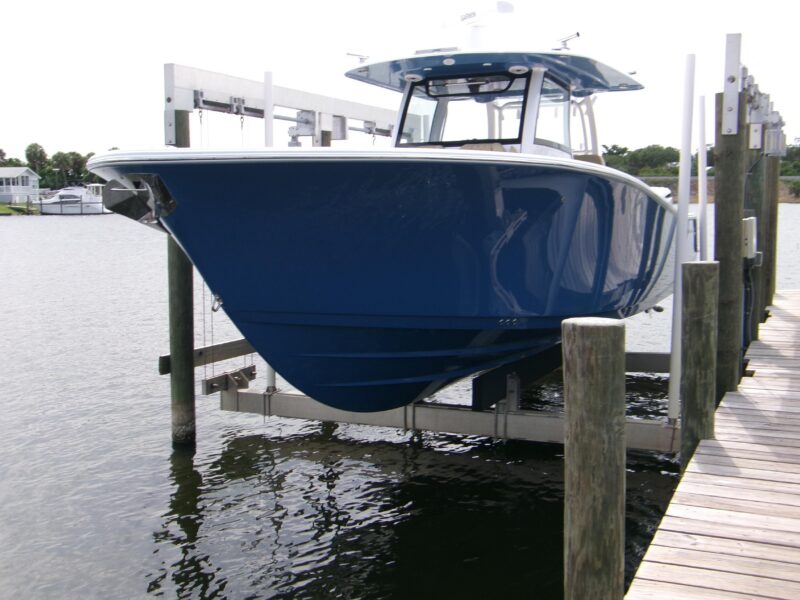
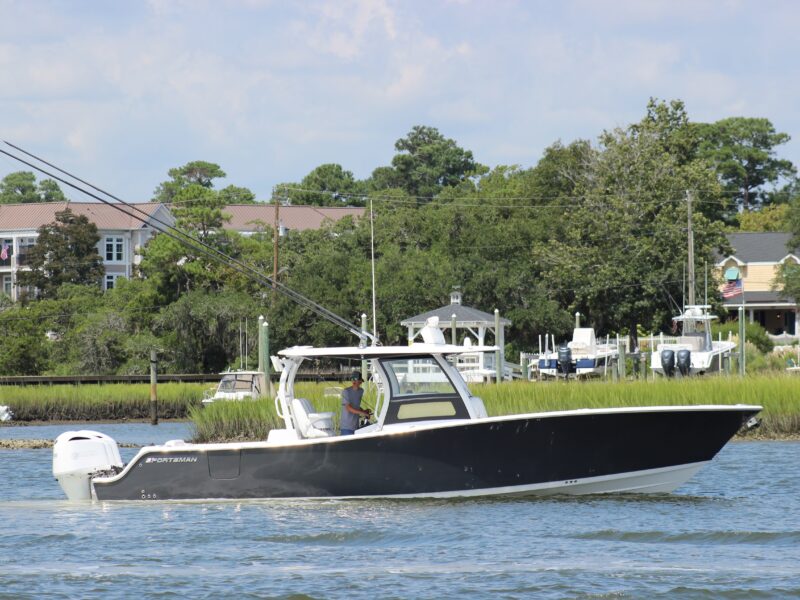
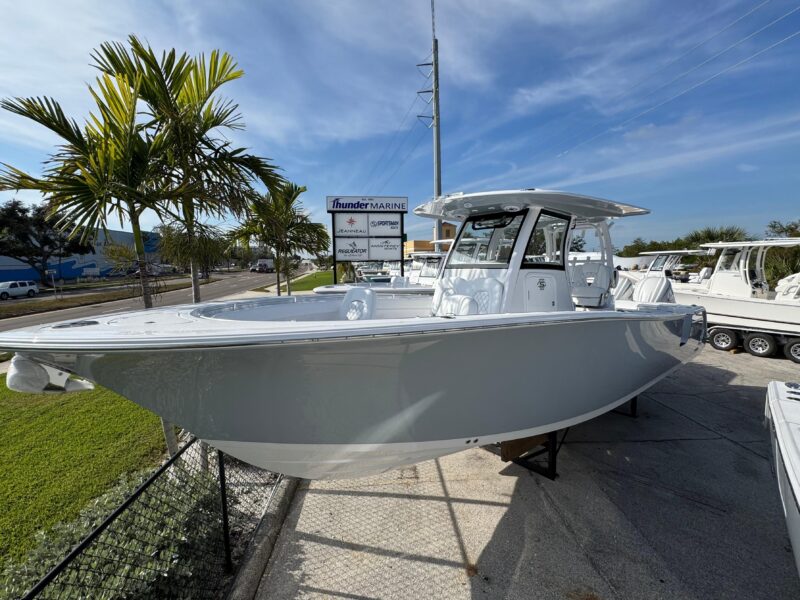
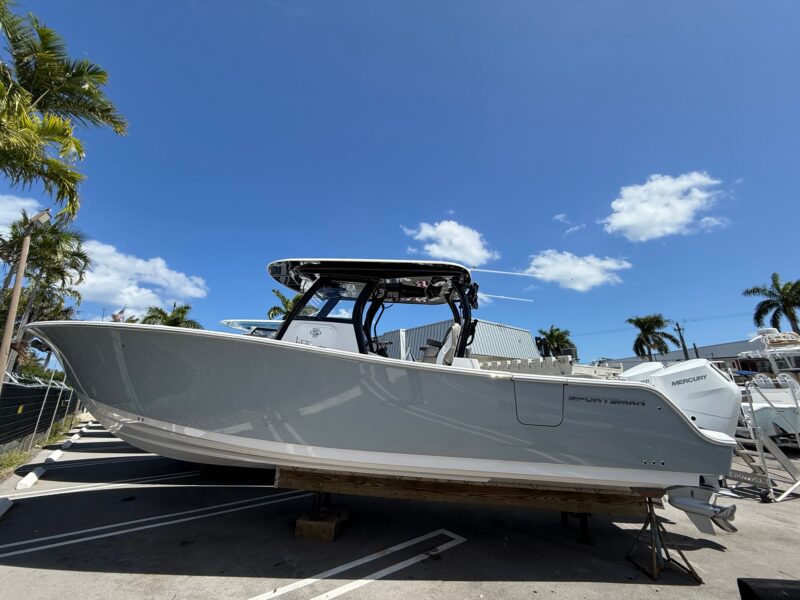
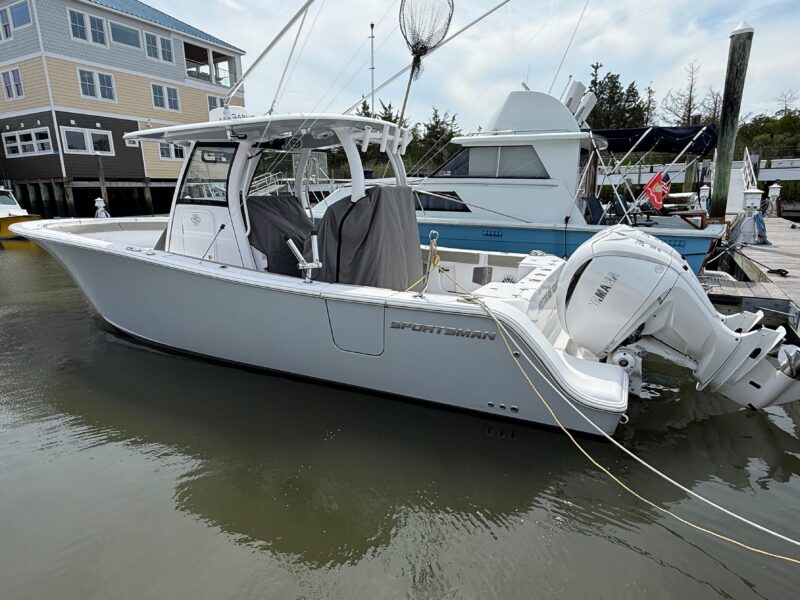
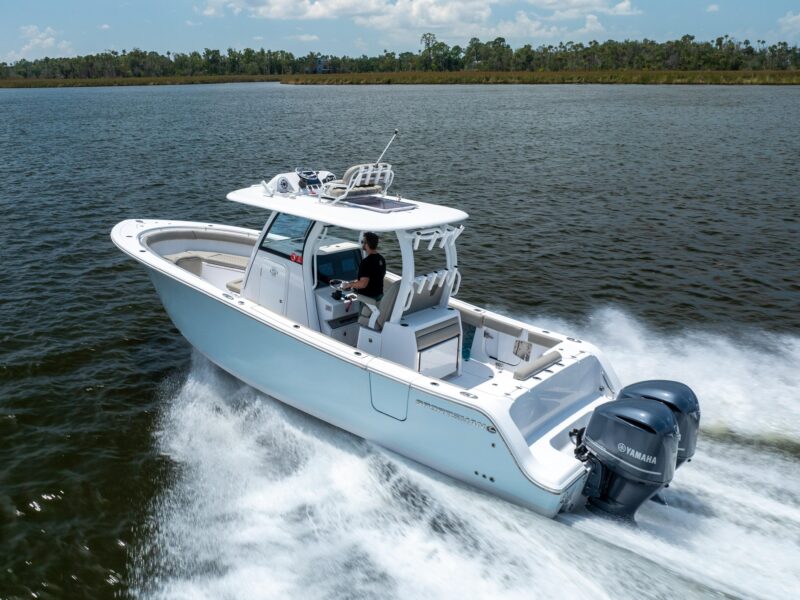
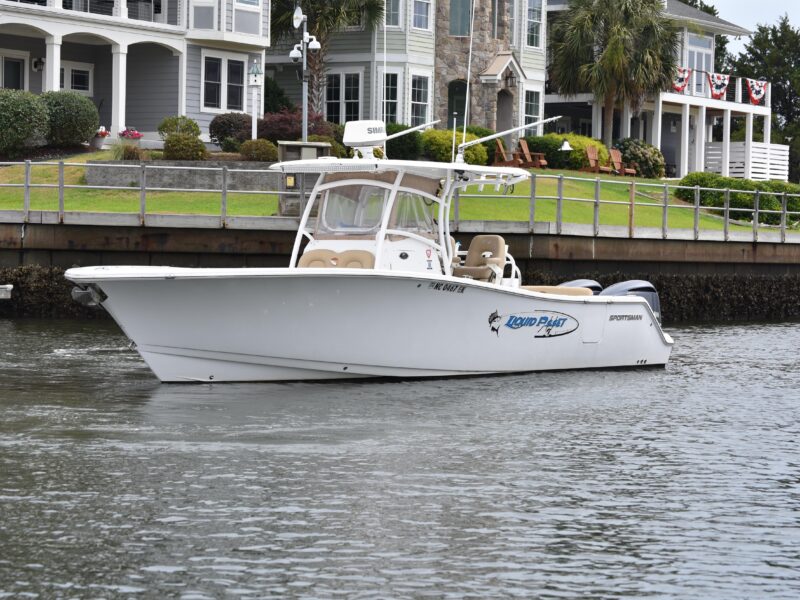
Sportsman builds center console fishing and recreational boats in the 30–35 foot range, designed for shallow-water navigation, coastal cruising, and offshore capability. The brand is known for open-cockpit designs that prioritize unobstructed deck space, fuel efficiency, and practical construction suited to both fresh and saltwater environments. Sportsman center consoles emphasize accessible pricing relative to their size and feature set, making them a common choice for owner-operators and charter fleets seeking reliable, low-maintenance vessels.
Sportsman has built a reputation in the recreational boating market by focusing on functional center console designs rather than luxury appointments. The brand's philosophy centers on maximizing usable deck space and delivering straightforward, durable construction—priorities that appeal to working captains and weekend anglers alike. Sportsman boats are engineered for accessibility: easy maintenance, straightforward systems, and designs that don't demand constant dealer support.
The company's lineup reflects a commitment to the mid-range market, where buyers value honest construction and practical performance over premium finishes. Sportsman center consoles are built to work, whether that means running shallow creeks, crossing open water, or serving as a platform for fishing tournaments. This pragmatic approach has sustained the brand across multiple market cycles and kept Sportsman yachts for sale in steady demand among both private owners and commercial operators.
Sportsman's current production centers on the Open series, a line of center console boats that spans 30 to 35 feet. Each model in this range is designed as a standalone platform rather than a scaled variant, with distinct hull shapes and cockpit layouts suited to different use cases.
All three models share Sportsman's core design language: uncluttered sightlines, minimal superstructure, and console placement that doesn't obstruct the helm operator's view. The Open series is built for single or dual outboard power, with modern fuel-management systems and integrated rigging for fishing or towing.
Sportsman center consoles are constructed using conventional fiberglass layup methods, with emphasis on solid laminate schedules and marine-grade resin systems. The hulls are designed for moderate deadrise and a relatively flat run aft, a geometry that favors fuel economy and stability in moderate seas while keeping draft shallow enough for coastal and inlet navigation.
The deck and cabin structures are built as integrated units, with core materials used selectively to reduce weight without compromising stiffness. Sportsman's approach to systems integration is straightforward: standard marine engines (typically outboard or inboard-outboard), conventional electrical architecture, and accessible plumbing and fuel lines. This simplicity is intentional—it means fewer proprietary components, easier troubleshooting, and lower service costs over the boat's life.
Sportsman boats are not hand-finished luxury builds. Instead, they prioritize structural integrity, corrosion resistance, and durability under hard use. Gelcoat finish is standard, with paint available as an upgrade. Hardware is marine-grade stainless steel or anodized aluminum. The goal is a boat that will perform reliably for 15–20 years of regular operation without requiring constant cosmetic attention.
Sportsman yachts for sale typically fall in the $300,000 to $600,000 range depending on model year, engine configuration, and equipment. New builds command the higher end; used examples from 2015 onward trade in the mid-range, with depreciation curves that reflect the brand's working-boat reputation rather than collector appeal.
Ownership costs are moderate relative to boat size. Outboard-powered models benefit from widespread engine service networks (Yamaha, Mercury, Honda), meaning maintenance and parts are readily available and competitively priced. Inboard-outboard variants offer similar accessibility. Fuel consumption on a Sportsman 30–35 footer typically runs 15–25 gallons per hour at cruise, depending on load and sea state—reasonable for the displacement and power range.
Insurance and dockage follow standard marine rates for recreational center consoles in the 30–35 foot class. Haul-out and bottom work are straightforward, with no exotic materials or systems that require specialized yards. Resale value is stable; Sportsman boats hold their value better than some mass-market brands because they appeal to a consistent demographic of practical, long-term owners. A well-maintained 5–10 year old Sportsman typically retains 50–65 percent of original purchase price.
Parts availability is strong, since Sportsman uses standard marine components rather than proprietary systems. A dealer network exists, but many owners source routine maintenance items directly from engine manufacturers or marine suppliers, reducing service costs further.
When evaluating a Sportsman center console, prioritize the condition of the hull and deck core. Look for soft spots in the cabin sole or around the console base—signs of water intrusion or delamination. Check the condition of all through-hull fittings and seacocks; corrosion here is common on older models and can be expensive to address.
Engine hours are critical. A Sportsman with 500–800 hours is typically well-broken-in and reliable; anything above 2,000 hours warrants a pre-purchase survey and compression test. Outboard engines are generally more forgiving than inboards at high hours, but service records matter. Ask for documented oil changes, impeller replacements, and any major repairs.
Examine the fuel system carefully. Older Sportsman models (pre-2015) may have aluminum fuel tanks that can corrode internally; newer boats use marine-grade plastic or stainless steel. If the boat has been stored or used intermittently, have the fuel system flushed and the filters changed before taking delivery.
Check the electrical system for corrosion and proper grounding. Sportsman boats use conventional 12-volt and 24-volt DC systems; look for green corrosion on battery terminals, loose connections, or evidence of amateur rewiring. A well-maintained electrical system is a sign of an owner who has cared for the boat overall.
Inspect the cabin and head for mold, soft wood, and plumbing leaks. Sportsman cabins are compact and can develop moisture issues if ventilation is poor or if the boat has been closed up for extended periods. A musty smell is a red flag; it suggests either active leaks or inadequate air circulation.
For newer models (2020 and later), verify that all factory systems—autopilot, GPS, VHF, trim tabs—are functioning and that you have access to manuals and software updates. Sportsman uses standard marine electronics, but integration varies by model year.
Finally, take any Sportsman for a sea trial. These boats are designed to run, and a good trial will reveal engine performance, steering response, and any unusual vibration or noise. Pay attention to how the boat tracks in a following sea and how it handles a quartering swell—this tells you whether the hull is in good shape and the engine is properly trimmed.
Fly Yachts maintains active inventory of Sportsman center consoles across the 30–35 foot range, including new builds and well-maintained pre-owned examples. Our team can walk you through the practical considerations of Sportsman ownership, arrange surveys and sea trials, and handle all logistics from inspection through closing. Whether you're looking for an entry-level 302 or a fully equipped 352, we'll help you find the right boat at the right price.
PLEASE READ THIS DISCLAIMER CAREFULLY before accessing, viewing, using, relying upon, requesting information about, making an inquiry regarding, or taking any action based upon any vessel listing, yacht listing, boat listing, image, description, price, specification, data field, advertisement, marketing material, or other content displayed on this website or through any website, platform, feed, page, advertisement, email, social media page, search result, embed, integration, API, or other digital or non-digital channel associated with Fly Yachts.
By accessing, viewing, browsing, using, searching, filtering, saving, sharing, clicking on, requesting information about, contacting Fly Yachts regarding, or otherwise interacting with any listing or any information displayed on or through this website, you acknowledge and agree that you have read, understood, accepted, and agreed to this Disclaimer in full.
This website and all listings are provided for general informational purposes only. They are not verified. They are not guaranteed. They are not representations by Fly Yachts. They are not warranties by Fly Yachts. They are not promises by Fly Yachts. They are not offers by Fly Yachts. They are not advice by Fly Yachts. They are not a substitute for independent inspection, survey, legal review, title review, tax review, insurance review, financing review, or professional due diligence.
All information is provided strictly “as is,” “where is,” “with all faults,” “as available,” “without warranty,” “without representation,” “without verification,” and “without reliance.”
For purposes of this Disclaimer, “Fly Yachts” means Fly Yachts and all of its present, former, and future affiliated entities, related entities, parent entities, subsidiary entities, commonly controlled entities, brands, trade names, websites, platforms, owners, officers, directors, members, managers, employees, brokers, salespersons, agents, independent contractors, representatives, marketing personnel, media personnel, photographers, videographers, software providers, data providers, vendors, licensors, licensees, successors, and assigns.
For purposes of this Disclaimer, “Listing Information” means any and all information, materials, data, content, media, statements, claims, descriptions, fields, specifications, prices, images, video, links, files, advertisements, messages, representations, communications, and other materials of any kind whatsoever displayed, transmitted, referenced, linked, embedded, syndicated, imported, exported, scraped, copied, mirrored, summarized, indexed, distributed, published, republished, or otherwise made available on or through this website or any Fly Yachts-related platform.
Listing Information includes, without limitation, any information relating to any vessel, yacht, boat, tender, dinghy, trailer, personal watercraft, water toy, engine, generator, equipment, accessory, part, component, fixture, furnishing, system, electronics package, navigation equipment, mechanical system, electrical system, plumbing system, fuel system, propulsion system, stabilizer system, hull, deck, superstructure, rigging, sails, canvas, upholstery, interior, exterior, machinery, tender, toy, inventory item, included item, excluded item, upgrade, refit, replacement, maintenance item, repair, survey, prior listing, current listing, or prior sale.
Listing Information also includes, without limitation, any stated or implied information regarding asking price, price history, price reductions, market value, estimated value, availability, ownership, seller authority, broker authority, location, registration, documentation, flag, title, liens, encumbrances, mortgages, maritime liens, taxes, duties, VAT, import status, export status, customs status, financing, insurance, warranties, classification, certification, compliance, seaworthiness, merchantability, fitness, condition, operability, performance, speed, range, fuel consumption, draft, beam, length, gross tonnage, net tonnage, displacement, capacity, engine hours, generator hours, maintenance history, service history, charter history, revenue history, accident history, damage history, grounding history, sinking history, flooding history, fire history, storm history, hurricane history, lightning history, salvage history, rebuild history, refit history, repair history, mold, corrosion, osmosis, delamination, moisture intrusion, structural condition, mechanical condition, electrical condition, cosmetic condition, or any other matter whatsoever.
Many listings and related materials displayed on this website may be imported, aggregated, syndicated, scraped, copied, mirrored, indexed, transmitted, generated, populated, translated, summarized, reformatted, or otherwise obtained from third-party sources, automated feeds, MLS systems, listing services, brokerage platforms, vessel advertising platforms, public databases, private databases, APIs, software integrations, data vendors, vessel owners, sellers, brokers, dealers, manufacturers, marketing providers, lead providers, prior advertisements, archived listings, or other sources not created, owned, controlled, verified, supervised, or approved by Fly Yachts.
Fly Yachts does not represent that any third-party source is reliable. Fly Yachts does not represent that any third-party source is accurate. Fly Yachts does not represent that any third-party source is current. Fly Yachts does not represent that any third-party source had authority to publish the information it provided. Fly Yachts does not represent that any third-party source had authority to sell, advertise, syndicate, license, distribute, or transmit any vessel listing or media.
Fly Yachts may have no knowledge whatsoever as to whether any Listing Information is true, false, accurate, inaccurate, complete, incomplete, current, outdated, authorized, unauthorized, lawful, unlawful, reliable, unreliable, misleading, non-misleading, available, unavailable, duplicated, expired, fabricated, manipulated, improperly imported, incorrectly mapped, incorrectly formatted, incorrectly translated, incorrectly converted, or otherwise defective in any way.
Fly Yachts has not independently verified the Listing Information. Fly Yachts does not undertake to independently verify the Listing Information. Fly Yachts has no obligation to independently verify the Listing Information. Fly Yachts disclaims any duty to independently verify the Listing Information. Fly Yachts disclaims any responsibility for independently verifying the Listing Information.
Fly Yachts makes no representations whatsoever regarding any Listing Information.
Without limiting the foregoing, Fly Yachts makes no representation whatsoever regarding:
TO THE MAXIMUM EXTENT PERMITTED BY LAW, FLY YACHTS EXPRESSLY DISCLAIMS ALL WARRANTIES OF EVERY KIND WHATSOEVER, WHETHER EXPRESS, IMPLIED, STATUTORY, COMMON LAW, EQUITABLE, OR OTHERWISE.
Without limitation, Fly Yachts expressly disclaims any express warranty; any implied warranty; any statutory warranty; any warranty of merchantability or implied warranty of merchantability; any warranty of fitness for a particular purpose or implied warranty thereof; any warranty of seaworthiness or implied warranty thereof; any warranty of habitability, quality, condition, description, conformity, title, against liens, against encumbrances, of quiet possession, of quiet enjoyment, of authenticity, of accuracy, of completeness, of reliability, of currentness, of availability, of legality, of compliance, of non-infringement, of data integrity, of uninterrupted website access, of error-free website operation; any warranty arising from course of dealing, course of performance, usage of trade, industry custom, advertising, statements by brokers, sellers, owners, manufacturers, platforms, feeds, databases, or other third parties; and any other warranty whatsoever.
There are no warranties that extend beyond the express terms of a separate, fully executed, written purchase agreement, if any, signed by the actual parties to that transaction. No website listing, website content, broker communication, advertisement, image, description, specification, price, data field, email, text message, social media post, or other material shall create any warranty by Fly Yachts.
Fly Yachts does not inspect, survey, sea trial, haul, or test vessels (including engines, generators, electronics, mechanical, electrical, plumbing, fuel, or safety systems) before displaying Listing Information. Fly Yachts does not verify serial numbers, engine hours, generator hours, title, liens, ownership, documentation, registration, taxes, duties, VAT, customs status, flag-state compliance, class status, survey reports, maintenance records, service records, damage history, accident history, or insurance claims before displaying Listing Information. Fly Yachts does not verify whether any vessel exists, is available, is properly described, is properly priced, is lawfully offered, or is capable of being sold.
Listing Information may contain errors caused by third parties, software, automation, syndication, data mapping, API transmission, scraping, indexing, caching, translation, currency conversion, formatting, truncation, duplication, synchronization delays, outdated feeds, deleted feeds, stale databases, unauthorized uploads, incorrect metadata, broken links, incorrect image matching, incorrect vessel matching, incorrect model matching, incorrect pricing fields, incorrect measurement units, incorrect country fields, incorrect location fields, typographical errors, omissions, or any other cause.
Fly Yachts does not assume responsibility for any third-party error, feed error, software error, platform error, API error, data-mapping error, import error, export error, synchronization error, display error, caching error, search error, filter error, sorting error, recommendation error, lead-routing error, communication error, or website error. The display of a listing on this website does not mean Fly Yachts selected, reviewed, approved, endorsed, verified, adopted, confirmed, or accepted responsibility for that listing.
All photographs, videos, drone footage, walkthroughs, renderings, virtual tours, diagrams, layouts, floor plans, deck plans, profile drawings, 3D imagery, AI-generated or AI-modified content, edited media, staged media, and other visual materials are provided without representation or warranty.
Visual materials may be outdated, inaccurate, edited, enhanced, altered, staged, color-corrected, filtered, compressed, distorted, mislabeled, duplicated, copied from another listing, copied from an old listing, supplied by a third party, generated by software, modified by AI, or otherwise unreliable. Visual materials may show equipment, accessories, tenders, toys, furnishings, artwork, electronics, fixtures, decor, personal property, layouts, finishes, colors, canvas, cushions, covers, appliances, safety equipment, navigation equipment, or other items that are not included in the sale, no longer exist, have been removed, replaced, damaged, altered, or were never part of the vessel.
Visual materials may not depict the current vessel, current condition, current location, current configuration, current equipment, or current appearance. No user should rely upon any visual material for any purpose whatsoever.
Any price displayed may be wrong, outdated, unavailable, changed, entered incorrectly, imported incorrectly, converted incorrectly, in the wrong currency, or may omit taxes, duties, VAT, import charges, customs charges, delivery charges, transport costs, commissioning costs, repairs, survey costs, haul-out costs, yard costs, registration costs, documentation costs, broker fees, closing costs, financing costs, insurance costs, or other costs.
Any price displayed may not be approved by the seller and may not reflect the actual asking price, the final selling price, market value, appraised value, replacement value, or insured value.
Fly Yachts is not providing an appraisal, valuation, broker price opinion, market analysis, investment analysis, tax opinion, financing opinion, insurance opinion, or recommendation regarding price or value. All vessels and listings are subject to prior sale, withdrawal, unavailability, seller approval, price change, listing expiration, contract, accepted offer, data error, correction, cancellation, or removal without notice.
All specifications, measurements, capacities, dimensions, lengths, beams, drafts, displacements, weights, tonnages, engine descriptions, generator descriptions, propulsion descriptions, tank capacities, fuel capacities, water capacities, holding tank capacities, speeds, ranges, fuel burn figures, performance figures, load capacities, passenger capacities, berth counts, cabin counts, head counts, equipment lists, options, upgrades, electronics lists, navigation equipment, entertainment systems, appliances, machinery, tenders, toys, safety equipment, anchors, ground tackle, rigging, sails, stabilizers, thrusters, air conditioning systems, refrigeration systems, watermakers, generators, batteries, inverters, chargers, and all other technical or equipment-related information are unverified.
Fly Yachts does not know whether such information is accurate, complete, current, or applies to the vessel displayed. Fly Yachts does not know whether any listed equipment is present, included in the sale, working, original, replaced, damaged, defective, obsolete, recalled, compliant, non-compliant, installed properly, maintained properly, or safe. All such information must be independently verified by the user.
Fly Yachts makes no representation whatsoever regarding the condition, history, quality, safety, seaworthiness, merchantability, fitness, or suitability of any vessel.
A vessel may have known defects, unknown defects, hidden defects, latent defects, patent defects, structural defects, hull defects, deck defects, stringer defects, transom defects, bulkhead defects, engine defects, generator defects, transmission defects, shaft defects, pod defects, drive defects, propeller defects, rudder defects, steering defects, stabilizer defects, thruster defects, electrical defects, wiring defects, plumbing defects, fuel system defects, tank defects, corrosion, osmosis, blistering, delamination, moisture intrusion, rot, mold, mildew, water damage, fire damage, smoke damage, storm damage, hurricane damage, lightning damage, collision damage, grounding damage, sinking damage, flooding damage, freeze damage, heat damage, impact damage, improper repairs, incomplete repairs, unpermitted modifications, improper maintenance, deferred maintenance, missing equipment, expired equipment, recalled equipment, non-compliant equipment, or other issues.
A vessel may have been damaged, repaired, salvaged, rebuilt, refit, modified, neglected, abandoned, repossessed, arrested, involved in litigation, involved in insurance claims, involved in charter operations, involved in commercial operations, involved in accidents, or otherwise affected by events not disclosed in the Listing Information.
Fly Yachts has no obligation to discover or disclose such matters unless expressly required by applicable law.
Fly Yachts makes no representation whatsoever regarding ownership, title, documentation, registration, lien status, mortgage status, encumbrances, maritime liens, yard liens, marina liens, mechanic’s liens, crew liens, supplier liens, lender liens, tax liens, judgment liens, security interests, claims, arrests, seizures, forfeitures, repossessions, insolvency proceedings, estate proceedings, divorce proceedings, partnership disputes, ownership disputes, beneficial ownership issues, seller authority, broker authority, closing authority, signing authority, or the ability of any person or entity to transfer valid title to any vessel.
Users must independently verify ownership, title, liens, encumbrances, documentation, registration, flag, customs status, tax status, duty status, VAT status, import/export status, sanctions status, and all related legal matters through qualified professionals before making any offer, deposit, purchase decision, or transaction.
Fly Yachts does not provide tax advice, customs advice, import advice, export advice, VAT advice, duty advice, sanctions advice, anti-money-laundering advice, regulatory advice, legal advice, or compliance advice.
Fly Yachts makes no representation regarding whether any vessel may be lawfully imported, exported, registered, documented, flagged, chartered, operated, insured, financed, transported, sold, purchased, or used in any jurisdiction.
Users are solely responsible for determining and satisfying all applicable taxes, duties, VAT, customs requirements, import requirements, export requirements, emissions requirements, environmental requirements, documentation requirements, registration requirements, charter requirements, crewing requirements, safety requirements, navigation requirements, licensing requirements, sanctions requirements, anti-money-laundering requirements, know-your-customer requirements, and all other legal or regulatory obligations.
Nothing on this website is legal advice, tax advice, accounting advice, insurance advice, financing advice, investment advice, survey advice, engineering advice, mechanical advice, electrical advice, naval architecture advice, safety advice, navigation advice, operational advice, charter advice, import/export advice, or documentation advice.
Nothing on this website is a recommendation to purchase, sell, finance, insure, transport, charter, register, document, or operate any vessel. Users must obtain their own independent professional advice from qualified professionals.
Every user, prospective purchaser, purchaser, broker, agent, lender, insurer, surveyor, attorney, accountant, captain, consultant, or other party reviewing any Listing Information is solely and exclusively responsible for independently verifying all information before relying upon it.
Without limitation, users should independently conduct or obtain a full marine survey; a haul-out inspection; a sea trial; an engine inspection; a generator inspection; a fluid analysis; a hull inspection; a moisture inspection; a structural inspection; a mechanical inspection; an electrical inspection; a plumbing inspection; a fuel system inspection; a safety equipment inspection; an electronics inspection; a corrosion inspection; a rigging inspection, if applicable; a sail inspection, if applicable; a tender inspection, if applicable; a title search; a lien search; a documentation review; a registration review; an ownership review; a seller-authority review; a tax review; a VAT review; a customs review; an import/export review; an insurance review; a financing review; a charter compliance review, if applicable; a class-status review, if applicable; a flag-state compliance review; a legal review; and any other due diligence deemed necessary or advisable.
No user should make any offer, place any deposit, sign any agreement, incur any expense, travel to inspect any vessel, arrange financing, arrange insurance, arrange transport, arrange survey, arrange crew, arrange charter, or take any other action based on Listing Information without first independently verifying all material facts.
Users expressly acknowledge and agree that they are not permitted to rely upon any Listing Information as accurate, complete, current, verified, reliable, or suitable for any purpose.
Users expressly acknowledge and agree that any reliance upon any Listing Information is unreasonable unless and until that information has been independently verified by qualified professionals selected by the user.
Users expressly acknowledge and agree that Fly Yachts has no responsibility for any decision, action, inaction, cost, expense, loss, claim, dispute, or damage arising from or related to any reliance upon Listing Information.
No Listing Information constitutes an offer, solicitation, binding commitment, contractual term, or condition of sale by Fly Yachts.
No Listing Information creates any agency relationship, brokerage relationship, fiduciary relationship, advisory relationship, representative relationship, customer relationship, client relationship, partnership, joint venture, employment relationship, or other legal relationship between any user and Fly Yachts.
No brokerage relationship, representation agreement, fiduciary duty, commission obligation, agency obligation, or other professional relationship is created unless expressly set forth in a separate written agreement signed by Fly Yachts and the applicable party.
No statement by Fly Yachts or any person associated with Fly Yachts, whether oral, written, electronic, texted, emailed, messaged, advertised, posted, published, or otherwise communicated, shall create any representation, warranty, guarantee, promise, condition, covenant, assurance, or obligation unless expressly included in a separate fully executed written agreement signed by the actual parties to the applicable transaction.
No broker statement, salesperson statement, website statement, email, text message, phone call, voicemail, social media message, advertisement, brochure, PDF, flyer, video, listing description, search result, data field, automated response, AI-generated response, or other communication shall override this Disclaimer.
TO THE MAXIMUM EXTENT PERMITTED BY LAW, FLY YACHTS SHALL NOT BE LIABLE OR RESPONSIBLE FOR ANY LOSS, DAMAGE, CLAIM, DEMAND, COST, EXPENSE, LIABILITY, ACTION, CAUSE OF ACTION, OR PROCEEDING OF ANY KIND WHATSOEVER ARISING OUT OF OR RELATING IN ANY WAY TO THIS WEBSITE, ANY LISTING INFORMATION, ANY VESSEL, ANY THIRD-PARTY CONTENT, ANY DATA ERROR, ANY USER RELIANCE, OR ANY TRANSACTION OR ATTEMPTED TRANSACTION.
Without limitation, Fly Yachts shall not be liable for inaccurate, incomplete, outdated, misleading, omitted, false, unauthorized, or duplicated information; incorrect pricing, availability, vessel identity, vessel location, vessel ownership, seller authority, broker authority, title information, lien information, tax information, VAT information, customs information, import/export information, registration information, documentation information, specifications, dimensions, measurements, capacities, engine hours, generator hours, equipment lists, included items, excluded items, media, photographs, videos, renderings, or descriptions; software errors, platform errors, API errors, feed errors, scraping errors, mapping errors, translation errors, currency conversion errors, formatting errors, typographical errors, data synchronization errors, search errors, filtering errors, sorting errors, recommendation errors, lead-routing errors, communication errors, website outages, broken links; third-party misconduct or fraud, seller fraud, owner fraud, broker fraud, identity fraud; title defects, liens, encumbrances, maritime liens, vessel defects, hidden defects, latent defects, survey findings, failed surveys, failed sea trials, mechanical failures, electrical failures, structural failures, engine failures, generator failures, equipment failures, safety issues, regulatory issues; tax liabilities, duty liabilities, VAT liabilities, customs liabilities, insurance issues, financing issues, transport issues, closing issues; failed transactions, lost transactions, lost deposits, lost travel expenses, lost survey expenses, lost haul-out expenses, lost financing expenses, lost insurance expenses, lost business opportunities, loss of use, loss of enjoyment, loss of profits, loss of charter income, loss of revenue, loss of goodwill, emotional distress, inconvenience, or any other alleged loss or damage.
This limitation applies whether the alleged claim is based on contract, tort, negligence, gross negligence to the extent permitted by law, negligent misrepresentation, fraud by third parties, strict liability, products liability, warranty, statutory claim, consumer protection claim, unfair trade practice claim, deceptive trade practice claim, unjust enrichment, indemnity, contribution, reliance, professional liability, website liability, advertising liability, data liability, or any other theory of liability.
TO THE MAXIMUM EXTENT PERMITTED BY LAW, FLY YACHTS SHALL NOT BE LIABLE FOR ANY INDIRECT, INCIDENTAL, SPECIAL, CONSEQUENTIAL, EXEMPLARY, PUNITIVE, ENHANCED, STATUTORY, RELIANCE-BASED, EXPECTATION, LOST-PROFIT, LOST-REVENUE, LOST-USE, LOST-OPPORTUNITY, OR ECONOMIC DAMAGES WHATSOEVER, EVEN IF FLY YACHTS HAS BEEN ADVISED OF THE POSSIBILITY OF SUCH DAMAGES.
TO THE MAXIMUM EXTENT PERMITTED BY LAW, IF ANY LIABILITY IS IMPOSED ON FLY YACHTS DESPITE THIS DISCLAIMER, SUCH LIABILITY SHALL BE LIMITED TO THE GREATER OF THE AMOUNT, IF ANY, PAID BY THE USER TO FLY YACHTS SPECIFICALLY TO ACCESS THE LISTING INFORMATION AT ISSUE OR ONE HUNDRED DOLLARS.
Users agree that Fly Yachts is not responsible for disputes between users and sellers, owners, brokers, manufacturers, yards, marinas, lenders, insurers, surveyors, transporters, documentation agents, closing agents, customs brokers, tax authorities, government agencies, or any other third party.
Users are solely responsible for communicating with third parties, confirming information with third parties, verifying authority of third parties, reviewing documents from third parties, negotiating terms with third parties, and protecting their own interests in any transaction.
Fly Yachts does not represent or warrant that any photographs, videos, descriptions, logos, trademarks, vessel names, plans, diagrams, renderings, brochures, PDFs, or other materials supplied by third parties are owned by the supplying party, properly licensed, non-infringing, authorized for publication, or free from third-party claims.
Fly Yachts disclaims responsibility for unauthorized third-party content, intellectual property claims, media-rights claims, copyright claims, trademark claims, privacy claims, publicity-rights claims, confidentiality claims, and related disputes arising from third-party Listing Information or materials.
Fly Yachts does not warrant that this website, any listing feed, any integration, any search tool, any inquiry form, any communication tool, any saved listing feature, any recommendation feature, any account feature, or any other website functionality will be uninterrupted, secure, accurate, available, current, complete, error-free, virus-free, malware-free, or free from harmful components.
Fly Yachts disclaims liability for website downtime, delayed updates, stale cached content, incorrect search results, incorrect filters, incorrect sorting, lost inquiries, misdirected inquiries, duplicate inquiries, failed communications, unauthorized access, data loss, or other technical issues.
Fly Yachts may change, edit, remove, suspend, display, stop displaying, or otherwise modify any Listing Information at any time without notice.
Fly Yachts has no duty to update, correct, remove, or notify any user of any correction, update, change, sale, withdrawal, price change, error, omission, defect, dispute, or other development.
Even if Fly Yachts receives information suggesting that Listing Information may be inaccurate, incomplete, outdated, disputed, unauthorized, or otherwise problematic, Fly Yachts shall not thereby assume any duty to investigate, verify, correct, update, remove, monitor, or disclose any information except to the extent required by applicable law.
This Disclaimer is intended to be interpreted as broadly as permitted by applicable law.
Nothing in this Disclaimer is intended to exclude, restrict, or limit any liability that cannot lawfully be excluded, restricted, or limited. To the extent any portion of this Disclaimer is held invalid, unlawful, void, or unenforceable, the remaining portions shall remain in full force and effect to the maximum extent permitted by law.
Any disclaimer, limitation, exclusion, release, acknowledgment, or allocation of risk contained herein shall apply to the maximum extent permitted by applicable law, regardless of whether any particular wording is ultimately determined to be insufficient to disclaim a particular claim in a particular jurisdiction.
By accessing, viewing, browsing, searching, filtering, saving, sharing, clicking, requesting information, submitting an inquiry, contacting Fly Yachts, contacting a seller, contacting a broker, relying upon, or otherwise using this website or any Listing Information in any manner whatsoever, each user expressly acknowledges, understands, accepts, and agrees that:
All listing information is unverified third-party and/or aggregated data provided for convenience only. Fly Yachts has not inspected, verified, confirmed, authenticated, or guaranteed any vessel, price, photograph, video, specification, description, availability, ownership, title, lien status, condition, equipment, engine hours, generator hours, location, tax status, documentation, registration, or other information. Fly Yachts makes no representations or warranties whatsoever, express or implied, including any warranty of merchantability, fitness for a particular purpose, seaworthiness, title, accuracy, completeness, condition, availability, value, or legality. All information is provided “as is,” “where is,” “with all faults,” “as available,” and “without reliance.” Users must independently verify all information through their own surveyors, mechanics, attorneys, documentation agents, insurers, lenders, tax advisors, and other qualified professionals before relying on any information or taking any action. Fly Yachts shall have no liability for any errors, omissions, inaccuracies, outdated information, third-party content, pricing issues, availability issues, vessel defects, title issues, lien issues, transaction issues, reliance, or damages of any kind to the maximum extent permitted by law.
Hablamos español
Déjenos su número y un broker de Fly Yachts le llamará — en español.
Choose which categories of cookies you'd like to allow. You can change this at any time using the "Cookie settings" link in our footer.
Required for the site to function — saving yachts, comparing, submitting forms. These cannot be turned off.
Remember your preferences (filters, language, recently viewed) and power features like embedded video and live chat.
Help us understand how visitors use the site so we can make it better. Aggregated, anonymous reporting.
Allow us to show you relevant content on social media and other sites you visit, based on your interest in our yachts.